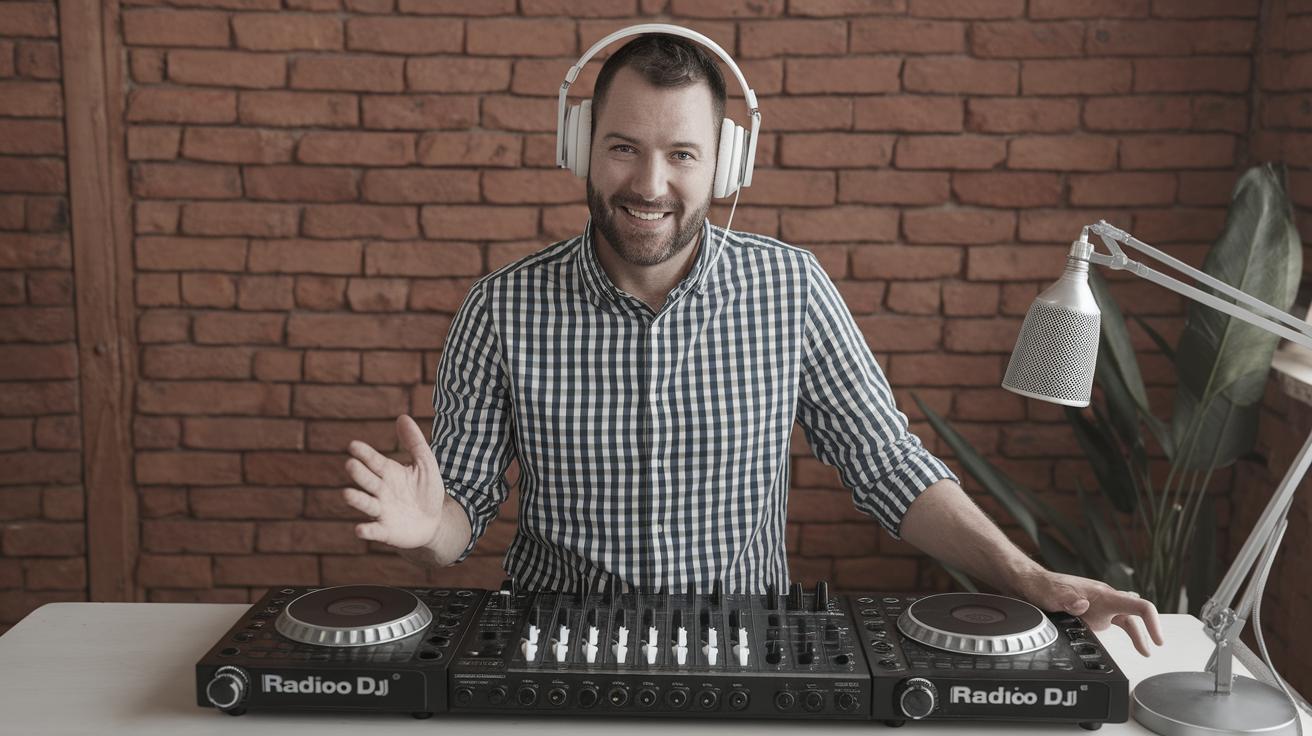
The Influence and Evolution of Radio DJs
Radio DJs have been a staple in media for over a century, captivating audiences with their unique charm and ability to adapt to the ever-changing landscape of the music industry. From narrating the rise of rock ‘n’ roll in the 1950s to navigating the Top 40 hits of the modern era, DJs have shaped music consumption and taste. This article explores the dynamic history of disc jockeys, their influence during pivotal moments in pop culture, and their role in today’s music scene. Whether creating communities through radio waves or adapting to new technological advancements, radio DJs remain at the forefront of audio entertainment.
The First DJs
The concept of a DJ (disc jockey) originates from the early 20th century when radio was still in its infancy. The first radio DJs were announcers who played a pivotal role in introducing listeners to new music and news. They crafted on-air personas that connected with audiences on a personal level, providing companionship through their voices during a time when few other media forms permitted such intimate interaction.
Radio was transformed when record-turning pioneers like “DJ” Martin Block introduced the idea of playing recorded music interspersed with commentary. The “Make Believe Ballroom” show emphasized the DJ’s role not just as a music presenter, but as a creator of a listening experience. As the airwaves reached more homes, people found delight in tuning into these lively personalities, making DJs cultural icons.
The Popularity of Radio Disc Jockeys From the 1950s to the 1970s
The 1950s marked a golden era for radio DJs, largely propelled by the burgeoning popularity of rock ‘n’ roll. DJs like Alan Freed helped popularize the genre, breaking racial barriers by playing music by both black and white artists. These disc jockeys not only curated playlists that defined the era but also became influential figures capable of making or breaking artists’ careers.
During the 1960s and 1970s, radio continued to evolve, with DJs maintaining their central role in music culture. They became tastemakers who could sense the zeitgeist, reading the pulse of teenage rebellion and countercultural movements. Radio shows unveiled new hits, provided exclusives, and articulated evolving cultural narratives, contributing to the symbiotic relationship between talent and tastemakers.
Unconventional Disc Jockeys of the Top 40 Era
The Top 40 format surged in popularity when technological advances made it easier to compile lists of the most popular songs. This format put DJs in a new position as they could highlight hits and tailor shows that reflected current trends with precision. DJs of the Top 40 era introduced innovative styles, delivering high-energy broadcasts that resonated with audiences seeking fast-paced entertainment.
Despite the tighter playlists, many DJs found creative ways to inject their personality and humor into their shows, often at the station’s discretion. Personalities like Wolfman Jack became larger-than-life figures through their distinct voices and brash styles. These DJs thrived on their charisma and direct engagement with fans, setting new standards for what it meant to be a DJ.
Format Changes Change the Role of the DJ
At a Glance
As the landscape of radio changed, DJs had to adapt to new formats and audience expectations. The advent of internet radio, podcasts, and streaming services has expanded the role of the DJ beyond traditional broadcasting. This shift requires DJs to be tech-savvy, socially aware, and fluent in multimedia storytelling to remain relevant.
Grow Your Network
Modern DJs must navigate a crowded digital landscape and grow their networks by leveraging social media platforms and other digital channels. Building a community of listeners who are engaged and participative in the content is as critical today as it was decades ago.
Live365 Adds Global Music Rights (GMR) Licensing to Its Bundle
DJing today involves more than spinning records on air. With advancements like Live365 adding Global Music Rights (GMR) licensing to their bundles, DJs are more involved in understanding the technicalities of music licensing. This capability enables a more global reach, allowing DJs to broadcast to a worldwide audience without legal roadblocks.
Coachella Breaks City Curfew All Three Nights, Fined $117,000.
This evolving role also sees DJs frequenting major festivals like Coachella, where they not only play sets but also provide commentary and insight into the festival’s experiences. While occurrences like Coachella’s curfew violations garner attention, they reflect how DJs set the pace for even the most significant live events, demonstrating their enduring influence both on-air and live stages.
Summary of Main Points
| Period | Influence and Role of DJs |
|---|---|
| Early 20th Century | Announcers who set the stage for modern DJs by introducing recorded music, creating listening experiences, and forming new cultural icons. |
| 1950s-1970s | Golden age of radio; DJs helped popularize rock ‘n’ roll, defined music tastes, and became cultural figures capable of shaping artists’ careers. |
| Top 40 Era | Introduction of the Top 40 format; DJs influenced trends, infused personality, and engaged in innovative presentation styles despite limited playlists. |
| Modern Day | DJs navigate digital landscapes, foster networks through social media, adapt to new formats (like podcasts), and span global audiences through updated licensing practices. |