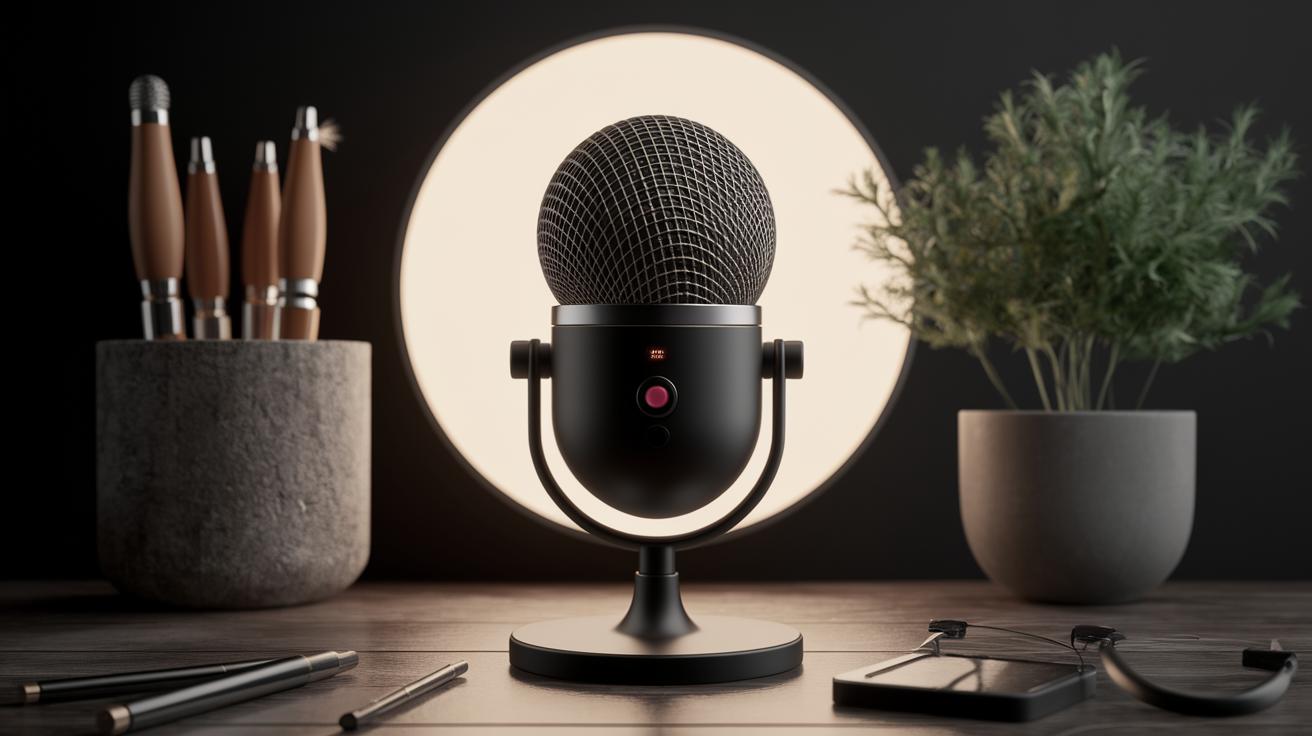
The Importance of Preamps in Audio Recording
Anyone who has delved into the realm of audio recording knows that achieving high-quality sound is essential yet challenging. At the heart of this pursuit lies a crucial component, often overlooked by novice audio engineers: the microphone preamplifier, or preamp. More than just amplifying signals, preamps play a vital role in enhancing sound character and quality, solidifying their place in both amateur and professional studio settings. In this article, we delve into the inner workings of preamps, their influence on audio quality, the capability to customize sound, and how to effectively incorporate them into your studio setup. By understanding these elements, you unlock the potential of preamps, transforming how you perceive sound. Join us as we explore the critical role preamps play in elevating your project’s audio fidelity.
Mic preamps are the unsung hero of pristine audio recordings. Here’s how they work and why they matter to your project’s sound.
Microphone preamplifiers, often abbreviated to preamps, are vital in leveling up the quality of audio recordings. Their primary role is amplifying the weak electrical signals from microphones to a higher line level, which helps maintain sound clarity and detail. Many underestimate the impact of a quality preamp on the recorded sound; however, it can significantly influence the depth, warmth, and overall sonic character of an audio track.
Utilizing a high-quality preamp opens up a breadth of audio possibilities, providing nuance and precision that raw recordings often lack. This transformation makes a substantial difference in auditory perception, especially when making critical listening judgments in professional settings. The inclusion of preamps as an integral part of your audio arsenal ensures that each sound capture not only retains its original essence but also reaches its full potential.
Understanding the Preamp
A microphone preamplifier is an electronic device that boosts low-level audio signals, allowing them to be recorded or processed at an optimal level. It serves as the initial point of contact where a microphone’s delicate signal is strengthened enough to interface properly with recording devices and audio interfaces. Preamps effectively contribute to noise reduction by amplifying the desired signal without significantly raising the inherent noise level.
Aside from amplification, preamps also impart tonal coloration which can help shape the ‘personality’ of a sound. This characteristic can be crucial depending on the genre or desired outcome of a project, making it an indispensable tool for musicians and sound engineers. Understanding how preamps influence sound is crucial for artists aiming to achieve particular aural qualities in their projects.
The Inner Workings of a Preamplifier
Input Stage
The input stage of a preamp is where the mic signal enters. It has the task of accepting a wide range of input impedance and a diversity of microphone outputs while ensuring minimal signal loss. This stage uses input transformers or electronically balanced circuits to handle the delicate task of receiving weak signals without introducing distortion.
A quality input stage is crucial for managing the mic impedance; differently matched settings can lead to signal degradation or coloration which could adversely affect audio quality. Engineers often pay keen attention to how well a preamp can handle various input settings to ensure compatibility and optimal performance with different microphones.
Amplifier Stage
Once the input stage processes the signal, it enters the amplifier stage. This is where the low signal from the microphone sees the needed boost to reach a usable level. The precision and finesse of the amplifier circuit determine how cleanly and purely this amplification occurs. Factors such as gain structuring, distortion levels, and linearity define the quality and transparency of the amplified signal at this stage.
An amplifier stage of superior craftsmanship can highlight articulation and detail in sound that weaker setups might muddy. High-caliber professional audio would not be achievable without careful attention to this critical phase of sound processing.
Output Stage
In the output stage, the now amplified and processed signal is sent out to the next piece of audio equipment in the recording chain. This part of the preamp must efficiently couple the enhanced signal to a recording device or mixing console. The quality of output stages is essential in ensuring that no additional distortion or noise affects the sound as it exits the preamp.
Some preamps provide balanced outputs, which are beneficial in long cable runs where noise interference might otherwise become significant. The capability of an output stage to present a clean and robust signal guarantees seamless integration in complex studio setups.
Preamps and Audio Quality
The role of preamps in improving audio quality cannot be understated. By amplifying the weakest audio signals before they undergo more intensive processing, preamps preserve sonic details crucial for high-fidelity sound reproduction. An insightful engineer knows that the caliber of a preamp can directly influence the recorded signal’s quality through dynamic range, clarity, and resolution.
Some preamps are renowned for their tonal signature, offering distinctive sonic coloration that can enhance vocals, drums, or other instruments. Whether subtly warming up a vocal track or adding grit to a guitar, the artistic manipulation of sound afforded by thoughtfully chosen preamps results in recordings that are both technically superb and artistically resonant.
Customizing Sound with Preamps
Beyond simple amplification, preamps offer unique opportunities for sound customization. They can filter and reshape sound in a way that imbues recordings with specific character traits. Some preamps are praised for their transparency, while others showcase characteristics like vintage warmth or aggressive punch, providing producers with means to tailor audio outcomes to fit varied genres and tastes.
Musicians and audio producers often experiment with different preamps, much like selecting various microphones, to achieve desired sound qualities. Strategic customization using preamps informs the blend of a distinct sonic landscape, ensuring personal expression and creativity are woven into the audio tapestry.
Incorporating Preamps in Studio Setups
Incorporating preamps into studio setups can be executed with ease, provided there is a comprehensive understanding of their functionalities. Standalone preamps and channel strips seamlessly fit into existing workflows, offering versatility to suit both home studios and large-scale production facilities. Integrating preamps should prioritize clean signal paths and optimized gain structure for ideal audio capture.
When setting up preamps, considerations include the nature of the project at hand and the existing equipment being used. Different genres may call for various preamp attributes, and the choice of preamp should enhance and complement the existing aural environment, enhancing the overall output.
Additional Preamp Features and Controls
Equalization
Many preamps offer built-in equalization features that allow for real-time frequency control. This function can be vital in sculpting the tonal characteristics of a signal right at the input stage. Pre-EQ adjustments can smoothen or emphasize certain frequencies before a track reaches the mix stage.
Compression
Incorporating compression within certain preamps ensures dynamic control, preventing peaks and enabling smoother sound waves. With preamp compression, sound engineers can maintain control over dynamic range, making it easier to manage complex mixes that involve numerous layers.
Limitation
Limiting provides a safeguard against unwanted audio peaks that can lead to distortion. Built-in limiters work to keep the peak levels from exceeding specific thresholds, thereby ensuring a recording’s integrity remains intact without any clipping.
Noise Reduction
Noise reduction technology within preamps mitigates the hiss and hum that typically accompany amplified signals. By focusing on reducing background noise, preamps ensure a cleaner and clearer audio experience, pivotal for both live and recorded settings.
Phase Reversal
Phase reversal is a function available on some preamps which helps address phase issues that arise with multi-microphone setups. By inverting the phase of a signal, engineers can solve problems related to sound wave interference that may cause a hollow sound or reduced output quality.
A Valuable Asset
Preamps stand as perennial assets in the quest for superior audio. Whether used for recording, broadcasting, live events, or other audio applications, their role in delivering pristine sound is unparalleled. By thoroughly understanding their workings, applications, and additional features, audio enthusiasts can harness their capabilities to produce unmatched audio quality every time.
Unleashing the potential of preamps transforms the creative processes within studios, inspiring new heights in audio innovation. As technology evolves, preamps continue to advance, promising new enhancements and possibilities, echoing their enduring importance in sound production.
| Section | Content Summary |
|---|---|
| Introduction | Overview of microphone preamps and their influence on audio quality. |
| Mic Preamps Importance | The role of preamps in audio recording and how they improve sound quality. |
| Understanding the Preamp | Definition of preamps and their function in boosting mic signals. |
| Inner Workings | Detailed description of input, amplifier, and output stages. |
| Audio Quality | Connection between preamps and high-fidelity sound recording. |
| Customizing Sound | How preamps allow audio personalization and creative expression. |
| Studio Setup | Guidance on incorporating preamps into various studio environments. |
| Feature Controls | Exploration of additional functions like equalization and noise reduction. |
| Valuable Asset | The significance of preamps in future audio endeavors. |