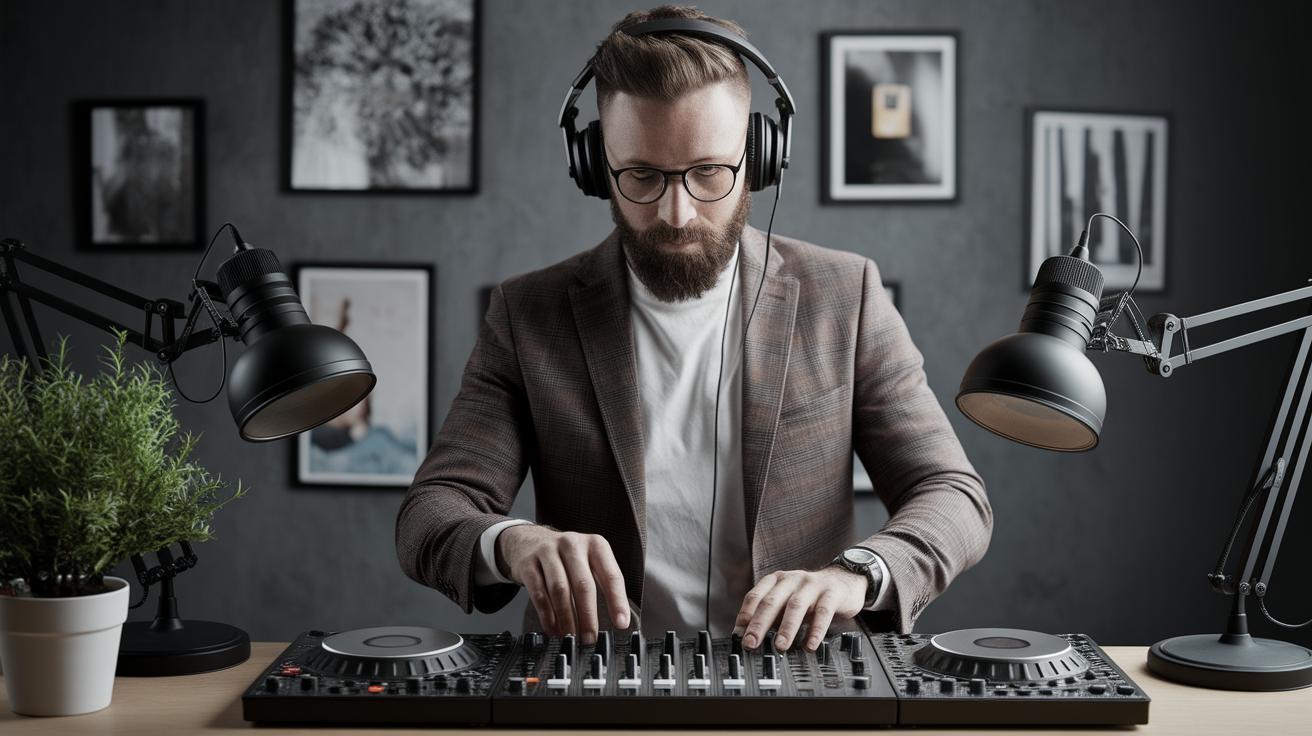
The Evolution of the Radio DJ: From Pioneers to Present
Radio disc jockeys, commonly known as DJs, have significantly influenced the way audiences experience music and entertainment. From the early pioneers who introduced the concept of playing recorded music over the airwaves to the dynamic personalities who became stars in their own right during the Top 40 era, the role of the DJ has evolved alongside technological advancements and changing cultural landscapes. This blog post journeys through the history of radio DJs, exploring the popularity of this medium from its nascent stages to its golden years in the mid-20th century. We’ll also discuss the impact of format changes that have redefined the role of DJs and highlight current trends and challenges they face. Join us as we delve into the rich history and enduring influence of radio DJs on the industry and their pivotal role in music culture.
The First DJs
The concept of the disc jockey as we know it today began to take shape in the early 20th century. The first known DJ was Reginald Fessenden, who made history with his Christmas Eve broadcast in 1906. However, the role of a DJ as an entertainer began to flourish in the 1920s and 1930s. It was during this period that radio personalities started to emerge, offering a mix of music, anecdotes, and audience interaction that would become staples of the medium.
Early DJs like Al Jarvis, who became known for his “Make Believe Ballroom”, set the tone for what a DJ role could entail. Jarvis’s format was innovative for its time, playing records back-to-back as if they were live performances. This marked the beginning of a new era where music could be enjoyed at home, not just at live venues.
The Popularity of Radio Disc Jockeys From the 1950s to the 1970s
The mid-20th century was the golden age for radio DJs. The post-war boom saw a surge in radio listenership, and DJs became pivotal figures in popular culture. During the 1950s and 1960s, iconic DJs like Alan Freed helped popularize rock ‘n’ roll by introducing it to mainstream audiences, thereby influencing the musical tastes of a generation.
In the 1970s, as FM radio grew, DJs like Wolfman Jack became household names, captivating audiences with their larger-than-life personas and eclectic playlists. These DJs wielded significant influence over the music industry, often breaking new artists and trends through radio airplay.
Unconventional Disc Jockeys of the Top 40 Era
The Top 40 format, which began in the 1950s, revolutionized radio broadcasting by standardizing playlists based on record sales. Despite this, many DJs found ways to maintain their creative flair. DJs like Casey Kasem became famous for his countdown shows, blending music with storytelling and personal touches that made each broadcast engaging.
Throughout this era, DJs who were considered unconventional often took risks, playing tracks outside the typical Top 40 mold and giving airtime to experimental sounds. These DJs carved out niches for themselves, demonstrating that there was always room for creativity within even the most commercial formats.
Format Changes Change the Role of the DJ
At a Glance
The role of the radio DJ has continued to evolve with changes in format and technology. The shift from vinyl to digital, the advent of satellite radio, and the rise of internet streaming services have all impacted how DJs operate and connect with their audiences.
Grow Your Network
As the media landscape expands, DJs have found networking crucial for career success. The necessity to engage with audiences over social media, attend industry events, and collaborate with other music professionals has become as important as the on-air performance itself.
Live365 Adds Global Music Rights (GMR) Licensing to Its Bundle
In an effort to support their operations, many internet-based radio platforms like Live365 have started offering comprehensive licensing solutions. By including Global Music Rights (GMR) licensing, these platforms provide DJs with more freedom and security to play a wide range of music without fear of legal repercussions.
Coachella Breaks City Curfew All Three Nights, Fined $117,000
High-profile festivals such as Coachella illustrate the growing intersection between live events and radio DJs. DJs not only host the shows but often perform live, merging traditional DJ roles with new stages of live performance art.
Lessons Learned
| Era | Key Developments | Influential DJs |
|---|---|---|
| The First DJs | Early broadcasts and introduction of DJ as an entertainer | Reginald Fessenden, Al Jarvis |
| 1950s – 1970s | Golden age of radio, rise of rock ‘n’ roll, increasing DJ influence | Alan Freed, Wolfman Jack |
| Top 40 Era | High-impact formats, innovative presentation styles | Casey Kasem |
| Modern Era | Impact of technology, networking importance | Notables across digital platforms and live events |
This HTML document is structured to outline the evolution of the radio DJ, highlighting key figures, developments, and changes in the industry. It also includes an HTML table to summarize these key points.